
Exploring the historical evolution of gambling From ancient rituals to modern practices
The Origins of Gambling in Ancient Civilizations
The roots of gambling can be traced back thousands of years, with evidence found in ancient civilizations such as Mesopotamia, China, and Egypt. In these societies, games of chance were often interwoven with religious practices, serving as a means to communicate with the divine. Dice made from animal bones, or “astragali,” were used in games of chance and were considered sacred objects. These ancient rituals laid the groundwork for the cultural acceptance of gambling as both entertainment and a spiritual activity. Today, many players appreciate platforms like the pin up online casino for their engaging offerings.
In China, around 200 BC, the first known lottery systems began to emerge, providing a structured form of gambling. Similarly, in ancient Rome, betting on gladiatorial contests became a popular pastime among citizens, indicating that the thrill of risking something of value for an uncertain outcome was deeply ingrained in human nature. This historical context highlights how gambling was not just a random activity but was often tied to social and cultural rituals.
The Role of Gambling in the Middle Ages
During the Middle Ages, gambling evolved significantly, influenced by the social structures of feudal societies. Games of chance became popular among nobility, with card games and dice games becoming common pastimes. The introduction of cards in Europe in the 14th century led to the development of various games that would later evolve into modern casino games. This period also saw the establishment of gambling houses, which were often sanctioned by local authorities, allowing for regulated betting.
In this era, gambling was not merely a pastime but a reflection of one’s social status. Tournaments and games often accompanied festivities, reinforcing community bonds while also allowing individuals to showcase their skills and fortunes. The interplay between gambling and social class during the Middle Ages contributed to its lasting popularity and its evolution into a mainstream activity.
The Birth of Modern Gambling in the 19th Century
The 19th century marked a pivotal transformation in the world of gambling, with the establishment of formal casinos and the development of various gaming regulations. The introduction of the first legal casino in Monte Carlo in 1863 set a precedent for the modern gaming industry, highlighting the shift from informal games to organized gambling venues. The rise of railroads also facilitated travel, enabling patrons from various regions to visit these luxurious establishments.
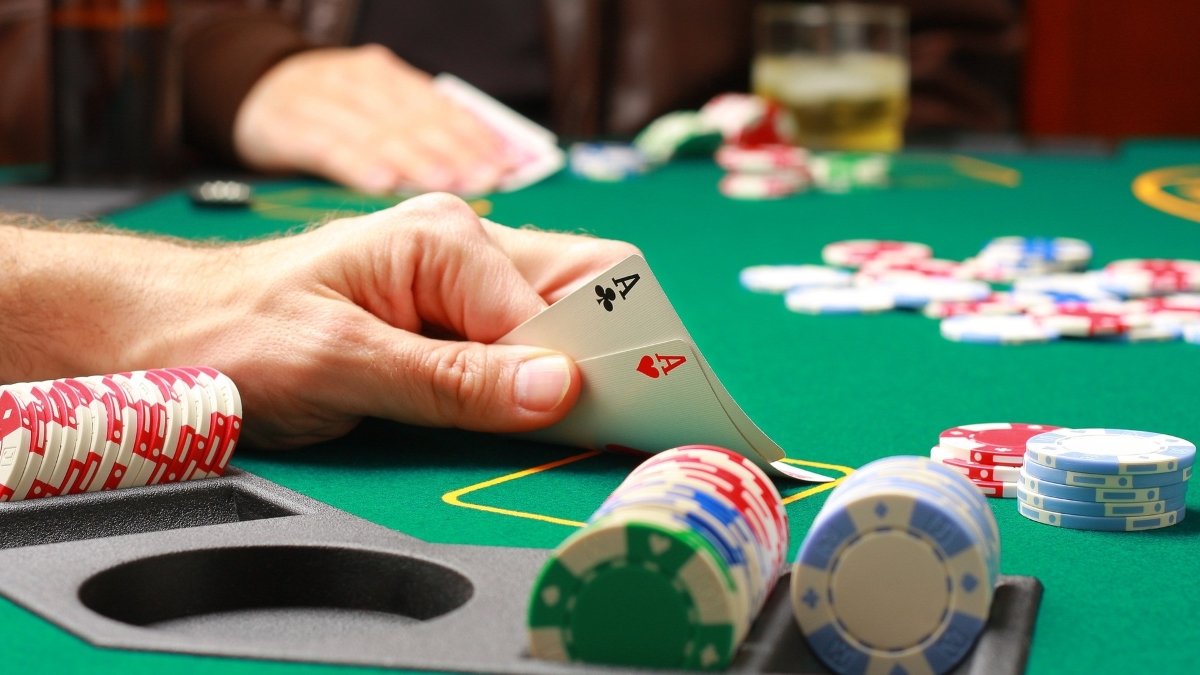
This period also saw the emergence of poker and other card games as popular forms of gambling, leading to the creation of tournaments and championships. The cultural acceptance of gambling reached new heights as it became intertwined with leisure activities in the growing urban centers of Europe and America. The 19th century laid the foundation for the gaming laws and structures that would govern gambling practices in the future.
The Digital Revolution and Online Gambling
The advent of the internet in the late 20th century revolutionized the gambling landscape, leading to the rise of online casinos. Gamblers could now access a plethora of games from the comfort of their homes, breaking geographical barriers and making gambling more accessible than ever. The introduction of online platforms introduced innovative features such as live dealer games and mobile gambling, appealing to a younger, tech-savvy audience.
Regulatory frameworks began to emerge to address this new form of gambling, with various jurisdictions implementing laws to protect consumers and ensure fair play. The online gambling industry has since expanded rapidly, with numerous platforms offering a wide range of gaming experiences. This digital evolution has fundamentally changed how people engage with gambling, making it a global phenomenon.

Pin Up Online Casino: A Modern Gaming Experience
As the gambling landscape continues to evolve, platforms like Pin Up stand out by providing tailored experiences for modern players. With a vast library of games, including thousands of slots and live dealer options, Pin Up offers an engaging environment for users seeking thrill and entertainment. The dedicated mobile app enhances accessibility, allowing players to enjoy their favorite games on-the-go.
Pin Up combines user security with an enticing welcome bonus, making it a popular choice for new and seasoned gamblers alike. Its commitment to offering localized payment options further ensures a seamless experience for players. As we explore the historical evolution of gambling, platforms like Pin Up symbolize the future of this enduring pastime, bridging the gap between tradition and modern innovation.